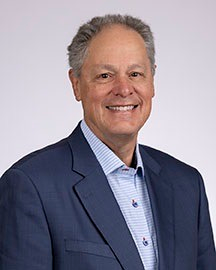




I’ve spent much of my career as a CEO, business leader, and financial executive. In retirement as a board member and community volunteer. What has mattered most to me has always been the opportunity to invest in people and help organizations become stronger.
I’ve had the privilege of working across a wide range of industries and with organizations of all sizes and types. Along the way, I’ve been on the front lines of significant change—helping organizations navigate challenges, pursue growth, and find new ways to succeed. Those experiences have taught me that organizations don’t thrive only because they have good strategies. They thrive when good people are given the opportunity, support, and confidence to lead.
Today, I’m fortunate to be at a point in my life where I can focus that purpose through executive coaching, board service, and community involvement. I want to share what I’ve learned, invest in people, and help strengthen the organizations and communities that matter to me.

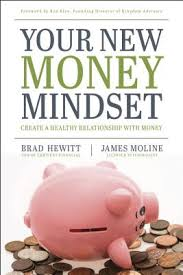
A Journey of stewardship
I like to joke that I was a math major for a reason. So my journey to become author and speaker was, in many ways, an accident; but the subject of my writing wasn’t.
I had the privilege of serving as CEO of a Fortune 300 financial services company. I spent a lot of time thinking about money—how people earn it, save it, invest it, spend it, and ultimately, how it affects their lives. But I also saw something that bothered me.
I saw people who were doing many of the “right” things financially who were still stressed, worried, and unhappy about money. It came up in everyday conversations—with people I met through work, community volunteering, at church, and even within my own family.
It made me wonder: What if you can get all the financial mechanics right and still miss the mark? There isn’t a shortage of books that teach us the mechanics of money. How to budget. How much to save. How to invest. How to minimize taxes. How to spend wisely. All of that is important. But the more I researched, the more I became convinced that something was missing.
There is an emotional side to money that we don’t talk about nearly enough. And here is what really surprised me. The research on people who are genuinely thriving—people who described themselves as happy, fulfilled, and content—their level of income or wealth wasn’t nearly as important as I expected. In other words, more money doesn’t produce more happiness. Money is simply a tool that helps us live a more meaningful and contented life.
And that takes us down a different road of money management. A road that begins not with a spreadsheet, but with grace, gratitude, and generosity.